




Spiritual Bypassing is Essential for Your Growth (and not bypassing is too)
One of the most dangerous ideas in modern spirituality is that awakening automatically makes you a mature human being. It doesn't.
Altered states do not equal altered traits. I know this because I was a non-duality spiritual bypasser for years. And now that I know the difference, I will claim that spiritual bypassing - transcendent self-realization is vital to your growth. You just don’t want to stay there and cling to that. You have to develop the skill of both-and. Let me explain…
Know Your Physiology to Optimize Your Relational Capacities
Women have slightly different physiologies during their menstrual, follicular, ovulatory, early or late luteal, or pre-menstrual phases which can affect their behavior, personality, and perceptions which can be optimized. So many women I’ve worked with have either an autoimmune, hormone imbalance, low omega-3 index, MCAS and POTS, or a metabolic disorder such as the MTHFR gene mutation causing them needless grief and suffering. Men can have most all that too long with a lack of the ability to feel their emotions, propensity for low-grade adrenal fatigue, dopamine dysregulation, and other neurotransmitter imbalances that will literally change your character from happy and easy-going into chronically angry, upset, and distracted and you will believe you are simply being yourself and it’s the world that has changed. I believe everyone owes it to themselves and to those around them to be well informed with recent data about their physiological balance or imbalance.
Alchemizing Codependency
Codependency doesn’t always look unhealthy. Sometimes, it looks like the nicest person in the room.
Being around a skilled people-pleaser can feel wonderful to your ego. They anticipate what you want, avoid disagreement, and become whoever they believe they need to be.
But beneath that pleasant exterior, codependency can become deeply deceptive.
I know because I lived it.
I carried shame that had been placed upon me—and then became ashamed of the fact that I felt ashamed. Do you see the double wrapping? The layers that keep our wounds hidden and untouched by love?
I tried to force that shame out of existence by performing the perfect swan dive into everyone else’s expectations.
A codependent person is often so afraid of disappointing others that their entire personality becomes organized around preventing it. Their worth depends on appearing acceptable, pleasing, and good.

Love Better by Learning Each Other’s Love Languages
This teaching explores the five primary ways people tend to express and receive love, and why sincere care can still miss its intended impact. It helps viewers recognize the difference between loving intention and how love is actually experienced by a partner. By making hidden expectations more visible, the framework supports clearer communication, greater empathy, and more effective repair after conflict. Ultimately, it offers a practical foundation for creating a more conscious, responsive, and emotionally connected relationship.
Alchemizing Narcissism
The post argues that narcissism is not merely a set of abusive behaviors, but a defensive inability to accept negative truths about oneself, take responsibility, and empathize with one’s impact on others. Everyone has the capacity for narcissistic defenses, especially when shame, humiliation, or an underdeveloped ego makes self-reflection feel threatening.
Healing begins by recognizing these tendencies rather than projecting them onto others. Through awareness, accountability, humility, atonement, and profound self-love, painful feedback can become a source of growth instead of something to avoid. The post presents love as an “ego-rehabilitating technology” that helps people integrate wounded parts of themselves.
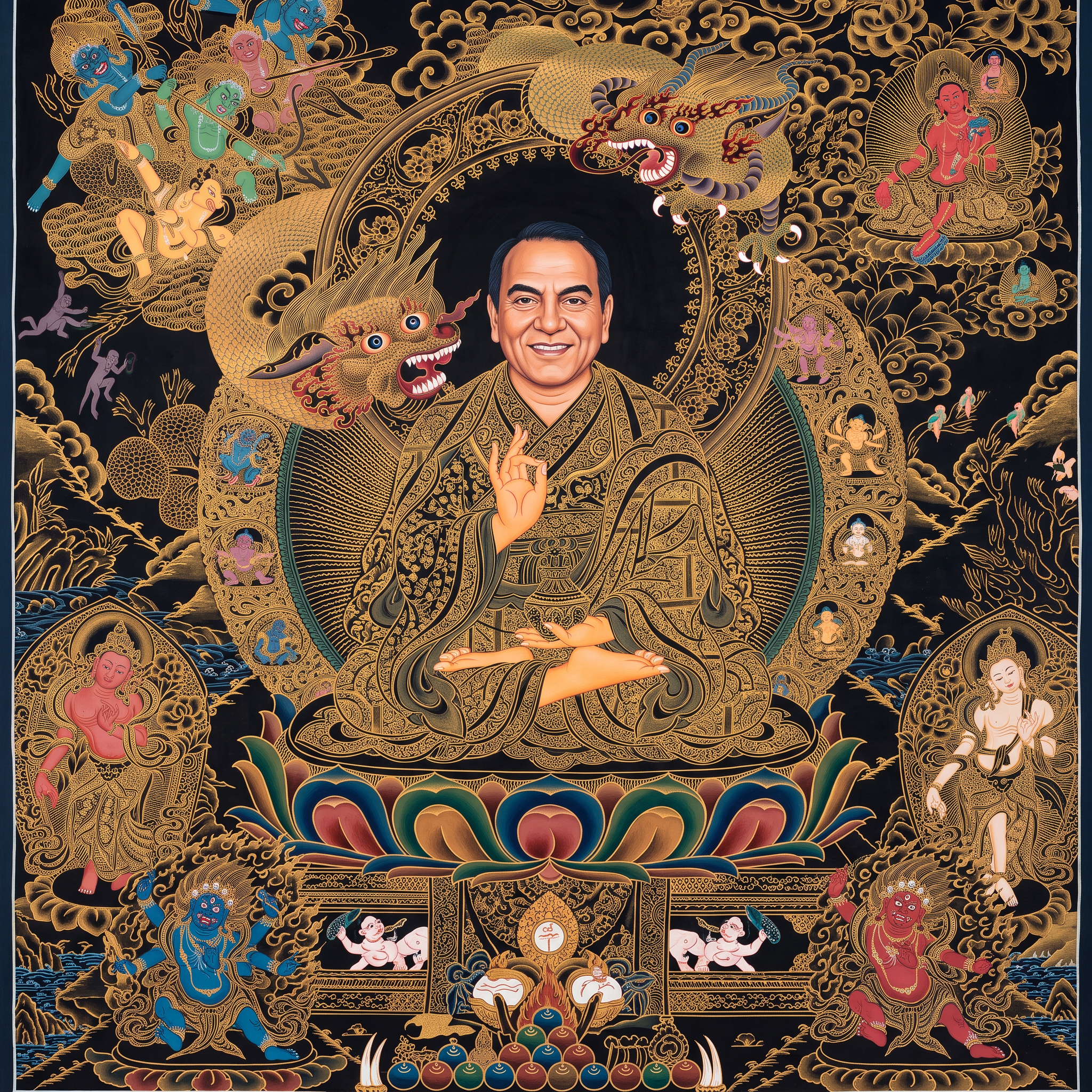
Living Don Miguel Ruiz’ Five Agreements
Don Miguel Ruiz’s Five Agreements offer a practical path toward more conscious, compassionate relationships. By speaking with integrity, releasing personalization, questioning assumptions, doing our best, and learning to listen with discernment, we create more space for honesty, safety, and repair. These practices help couples move out of blame and reactivity and into curiosity, responsibility, and deeper understanding. Conflict may still arise, but it no longer has to become the author of the relationship.
Asking Good Questions to Build Intimacy
This booklet helps couples deepen intimacy by teaching them how to ask open, respectful questions that create understanding rather than defensiveness. Readers learn four levels of intimate questioning, along with practical listening skills that help their partner feel genuinely heard, safe, and supported. With ready-to-use prompts and a simple connection practice, it offers an accessible way to strengthen communication and keep love rooted in curiosity.
Energetic Breathwork (Pranayama) Session 3: Bliss + DMT Release
This intermediate to advanced session is focused on releasing bliss molecules (anandamide) and naturally occurring DMT in the brain. We'll be using three styles of breath with 60-second breath holds. This practice features: breath of fire, somatic breath, shamanic breathing, and tummo breathing, along with the Shakti Mudra, which helps establish restful sleep, calms the nervous system, and has a soothing effect on the pelvic area.
Energetic Breathwork (Pranayama) Session 2: Stress & Anxiety Relief
This beginner to intermediate session is focused on releasing stress, anxiety, and for energetic activation + balance. We'll be using three styles of breath with 50-second breath holds. This practice features: breath of fire, somatic breath, and tummo breathing, along with the Kalesvara Mudra, which helps calm the mind, reduce anxious thoughts, helps to overcome addictive behaviors, and cools the temper
Energetic Breathwork (Pranayama) Session 1: Emotional Balance
This beginner to intermediate session is focused on releasing stress, anxiety, and for general emotional relief. We'll be using three styles of breath with 50-second breath holds. This practice features: breath of fire, somatic breath, and shamanic breathing, along with the Hridaya mudra, which helps release emotional tension, stress, and anger.
Intentional Communion I: Saṅkalpita Saṃvāda
Form: Intentional Communion I
संकल्पित संवाद
Saṅkalpita Saṃvāda
Do you want to blow your friend or partner's mind a little, next time you see them? Try this form.

Insight Timer Meditations
Insight Timer is a (mostly) free app where I publish a multitude of audio-only practices, meditation soundscapes, brainwave entrainment, sleep tracks, and sleep stories. You can also buy a year subscription for ~ $59 and gain access to Plus content, which includes courses and other premium tracks. Insight Timer is an excellent platform which includes a gamification dimension that helps one maintain their meditation regularity. Below are some of my most popular tracks. Enjoy!

Atisha’s Heart Meditation from Sinai, Egypt
Cory and I recorded this meditation in the stillness of Sinai. It wasn’t planned. It came as a channeled response. With everything unfolding around the world—the conflict, the polarization, the anger, the grief, the intensity in the collective field—we kept feeling the same quiet call: keep returning to the heart…
This meditation is 35 minutes, including a short introduction at the beginning. If you’re able, give yourself the full container — uninterrupted, headphones on, body supported and comfortable.
The practice is simple…

Loving through our preferences isn’t evolutionary
Perhaps like you, I believed dating via strictly adhering to my list of preferences was my ticket to the romantic relationship promised-land. Not who would challenge me in just the right ways. Not who would bring cosmic balance to my character traits. But instead, who would check off my ego’s list of personal likes and dislikes most completely. What I wasn’t accounting for is how this would just make my ego comfortable and unchallenged which inhibits my growth rather than stimulates it. Loving only what I prefer leaves my ego un-evolving and complacent which doesn’t align with my personal spiritual growth ideals. Shouldn’t our romantic relationships both compliment and challenge us deeply if they are to be our most vital spiritual partnerships?

Vertical & Horizontal Healing - A Holistic Approach to Evolution
Perhaps like you, I’ve spent years in therapy. Cognitive behavioral therapy, neuro linguistic programming, EMDR, EFT, hypnotherapy, and even couples therapy all in an attempt to reform my beliefs and behaviors into more pro-relational shapes. These approaches, some more successful than others, helped me see that my beliefs and behaviors were mailable—changeable if enough effort was invested in my own improvement. Among all of them, hypnotherapy and EFT were the most effective but none of them had me approach my problems not as a chemical or behavioral problem but as an identity problem.

From Trauma to Prana
Growing up in an alcoholic, codependent, and narcissistically abusive environment created within me my own codependent and narcissistically dysfunctional structures. People pleasing, a deep fear of disappointing others, and to some extent, non-empathetic ways of relating dominated my nervous system's survival strategies. Through my 20's, I spent years in therapy, tried psychiatric drugs, and made some significant progress but I found that these pernicious structures still creeped around in my subconscious—waiting for just the right situation to trigger their dominance over my self-control. And though I really can't sing enough praise for the therapies I've received, especially those of the psychedelic persuasion, only via Tantric Yoga—what Relationship Yoga is founded upon—did I find a reliable post-therapy approach to manage the trauma responses I've carried since those early years.