
Teachings & Practices
for Relational Awareness, Development & Awakening

You’re here to develop a deeper capacity to know yourself, trust yourself, and participate more consciously in the relationships that shape your life.
Many of us have gathered information, tried therapy, explored spiritual teachings, changed careers, pursued meaningful work, developed healthier habits, or searched for a clearer sense of purpose—and still find that something essential remains unresolved.
We may know more about ourselves than ever before, yet still struggle with the same fundamental questions: How do I live well? How do I relate well? What makes a life deeply satisfying? And who am I beneath the patterns I have inherited and accumulated?
Relationship Yoga is a contemplative and developmental approach to exploring these questions through relationship—not only our relationships with other people, but our relationships with our bodies, our identities, our inner experience, the world around us, and consciousness itself.
Drawing from contemplative practice, philosophy, psychology, relational development, and the nondual traditions of Yoga, Relationship Yoga explores awakening not simply as an extraordinary experience, but as something to be integrated into ordinary life.
The practice is learning to meet experience with greater awareness, responsibility, openness, discernment, and love—and discovering what becomes possible when those qualities begin to shape the way we live, work, communicate, and relate.
At the meeting place of duality and nonduality, being and becoming, self-knowledge and relationship, Relationship Yoga is for people interested in bringing contemplative insight out of abstraction and into the lived realities of everyday life.
Awakening is not the same as embodiment
Contemplative traditions can offer powerful methods for cultivating awareness, insight, mystical experience, and shifts in our ordinary sense of self. But profound experiences do not automatically resolve emotional patterns, mature our relationships, or transform the ways we respond to everyday life.
Without the ongoing work of psychological development and integration, spiritual insight can remain disconnected from the way we actually live. Old patterns can persist, difficult emotions can remain unexamined, and even meaningful experiences can become material for avoidance, confusion, or spiritual ego.
Relationship Yoga was created to bring greater structure and attention to this integrative dimension of the path.
The ego becomes curriculum rather than an enemy to transcend.
Through contemplative inquiry, relational practice, self-reflection, and embodied awareness, we explore the patterns that organize your experience: emotions that have been difficult to fully meet, limiting beliefs, protective strategies, shadow material, rigid identities, relational habits, and assumptions about yourself and the world.
Rather than continually chasing another experience or trying to force yourself into an ideal spiritual state, Relationship Yoga develops your capacity to observe, understand, integrate, and work skillfully with what is already arising.
It is a living framework for spiritual integration—bringing contemplative insight into emotional maturity, relationships, responsibility, self-knowledge, and everyday life.
The Relationship Yoga approach
-
There are two interconnected parts to the process.
1. Consciousness Resonance — experiential inquiry
Some of our work may begin with what I call a Consciousness Resonance session.
During these sessions, I intentionally enter and stabilize a contemplative state while you attend closely to your own experience. In some sessions, participants report noticeable changes in qualities such as a quietness of mind, awareness, warm affect, somatic experience, or a non-dual sense of self.
I use the term Consciousness Resonance to describe this observed interpersonal phenomenon. Its mechanism—and the extent to which any such effect can be reliably demonstrated—has not yet been scientifically established.
Contemplative traditions might interpret similar experiences through concepts such as transmission, śaktipāta, or shared presence. My interest is not in asking you to accept any particular explanation, but in approaching the experience with curiosity and careful observation.
2. Integration — bringing experience into life
A temporary shift in conscious experience, when one occurs, is not the same thing as psychological development, behavioral change, or enduring awakening.
The longer work of Relationship Yoga is therefore integration: learning how insights and capacities encountered through contemplative practice can become increasingly available within relationships, emotional life, work, conflict, decision-making, and ordinary human experience.
The aim is not to give you another belief system or ask you to adopt a religion.
It is an experiential practice of alignment: awareness, embodiment, relationship, self-inquiry, and integration—learning to bring what you discover into the way you actually live.
Learn more about Consciousness Resonance and what you may experience in this work.
-
Much of the yoga practiced in contemporary studios emphasizes āsana—the physical postures of yoga. Building strength, mobility, balance, and embodied awareness can be tremendously valuable. But the larger traditions of Yoga have also included meditation, breathwork, self-inquiry, philosophy, ethical practice, contemplative discipline, and exploration of consciousness.
Relationship Yoga draws inspiration from this wider landscape while developing it in a distinctly relational direction.
Rather than treating Yoga primarily as something we do with the body on a mat, Relationship Yoga approaches it as a practice for the whole of life: How do you relate to your body? Your thoughts and emotions? Your identity? Other people? Love? Suffering? Consciousness itself?
The approach works across four interconnected dimensions:
Embodiment — working with the body, sensation, and lived experience.
Energy & Breath — exploring breath and subtle-body practices drawn from yogic and tantric traditions.
Meditation & Awareness — developing attention, self-inquiry, and contemplative awareness.
Integration & Meaning — examining the beliefs, identities, relationships, and philosophical frameworks through which we understand and participate in life.
Relationship Yoga is therefore not an attempt to replace postural yoga or claim to be the one “original” Yoga. It is a contemporary integrative approach, informed by yogic and tantric traditions, designed to explore what Yoga can become when its practice extends beyond the mat and into relationship, development, and everyday life.
Learn more about the principles and practices behind Relationship Yoga.
-
Relationship Yoga is for people who sense that contemplative practice can become more than something they do on a yoga mat.
You may have already explored meditation, therapy, philosophy, personal development, or spiritual practice—and reached a point where insight alone no longer feels sufficient. You want what you understand inwardly to become increasingly visible in the way you relate, choose, work, love, communicate, and live.
This work may be especially meaningful if you are interested in:
bringing contemplative insight into everyday relationships and decisions;
understanding the patterns, identities, and emotional habits that shape your experience;
exploring consciousness without being asked to adopt a particular religious belief;
integrating psychological development with spiritual practice;
cultivating greater awareness, responsibility, openness, and compassion;
exploring the relationship between awakening and ordinary human development.
Relationship Yoga is not primarily a fitness or posture-based system, although embodied practices may be included. It is designed for people interested in Yoga as a broader contemplative, developmental, and relational path.
You do not need to consider yourself spiritual, awakened, or even particularly experienced with meditation. Curiosity, willingness to examine your experience, and a genuine interest in how you relate to yourself and others are enough to begin.
Learn more about whether Relationship Yoga is a good fit for you.
-
No. You do not need a romantic partner, spiritual partner, or “divine union” to practice Relationship Yoga.
The word relationship is being used in a much broader sense.
At every moment, we are in relationship—with our bodies, emotions, thoughts, identities, other people, the natural world, and reality itself. Relationship Yoga begins with the premise that these relationships provide an extraordinarily rich field for contemplative practice and human development.
At the heart of the system is Love—not simply romantic love or a passing emotional state, but Love understood as an orientation toward greater openness, care, honesty, connection, ethics, and embrace.
Rather than asking you to believe that Love is the ultimate nature of reality, Relationship Yoga invites you to explore a question:
What happens when Love becomes something you practice?
The body becomes part of the laboratory. Relationships become part of the practice. Difficult emotions, conflict, intimacy, solitude, work, pleasure, fear, and ordinary life all become opportunities for greater awareness and integration.
For those who understand Love in a spiritual or metaphysical sense, the practice can also become an inquiry into what unconditional Love might reveal about consciousness and our relationship with reality itself.
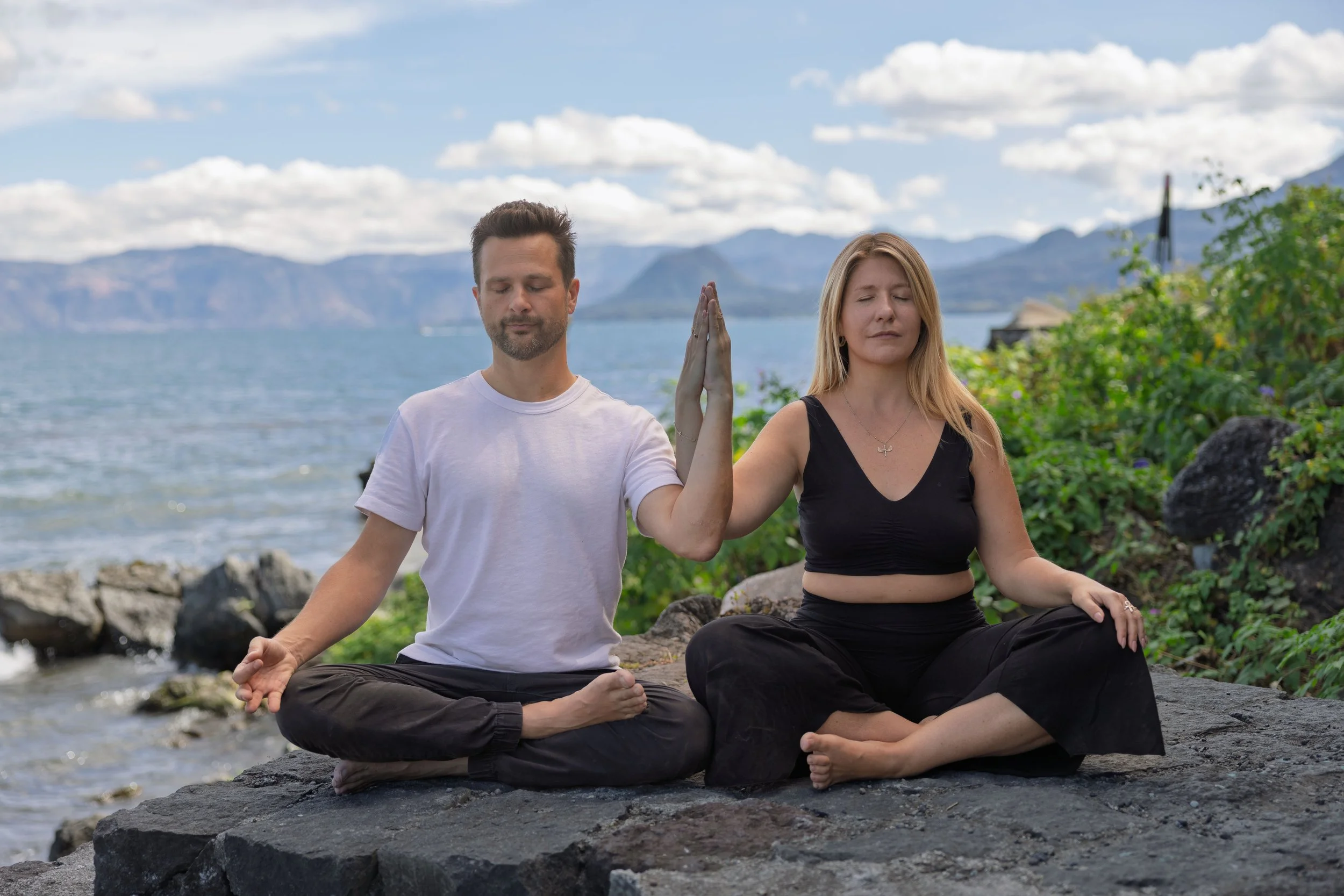
Relationship Yoga can therefore be practiced individually, with a partner, or in a group. Romantic partnership can provide a particularly rich field of practice, but it is not required.
Learn more about the philosophy and practice of Relationship Yoga.
Pathways To Your Awakening
-
![]()
Integrative Health Coach & Spiritual Guide
Cory draws on his own healing from chronic illness using integrative nutrition, natural medicine, yoga, tantra, and metaphysical practices. He weaves science with lived spiritual mastery to guide clients back into balance and whole-system vitality. His work supports people in reclaiming energy, clarity, and their natural ability to heal.
-
![]()
The Art of Love: Series of Courses
A full-spectrum system for individuals or couples to deepen union and awaken higher love through the shared teachings of Tantra, Buddhism, Mystical Christianity, and Yoga—supporting partners to co-regulate, co-heal, and rise together. Co-developed by guest contributor, Cassandra Michler
-
![]()
Retreats, Ceremonies & Events
I offer individual and couples retreats, sacred ceremonies, and transformational events designed to activate healing, deepen connection, and awaken higher Love. I can facilitate rituals at my home base, near Portland Oregon or travel to you to create just the right set and setting.
Meet Your Guide
-
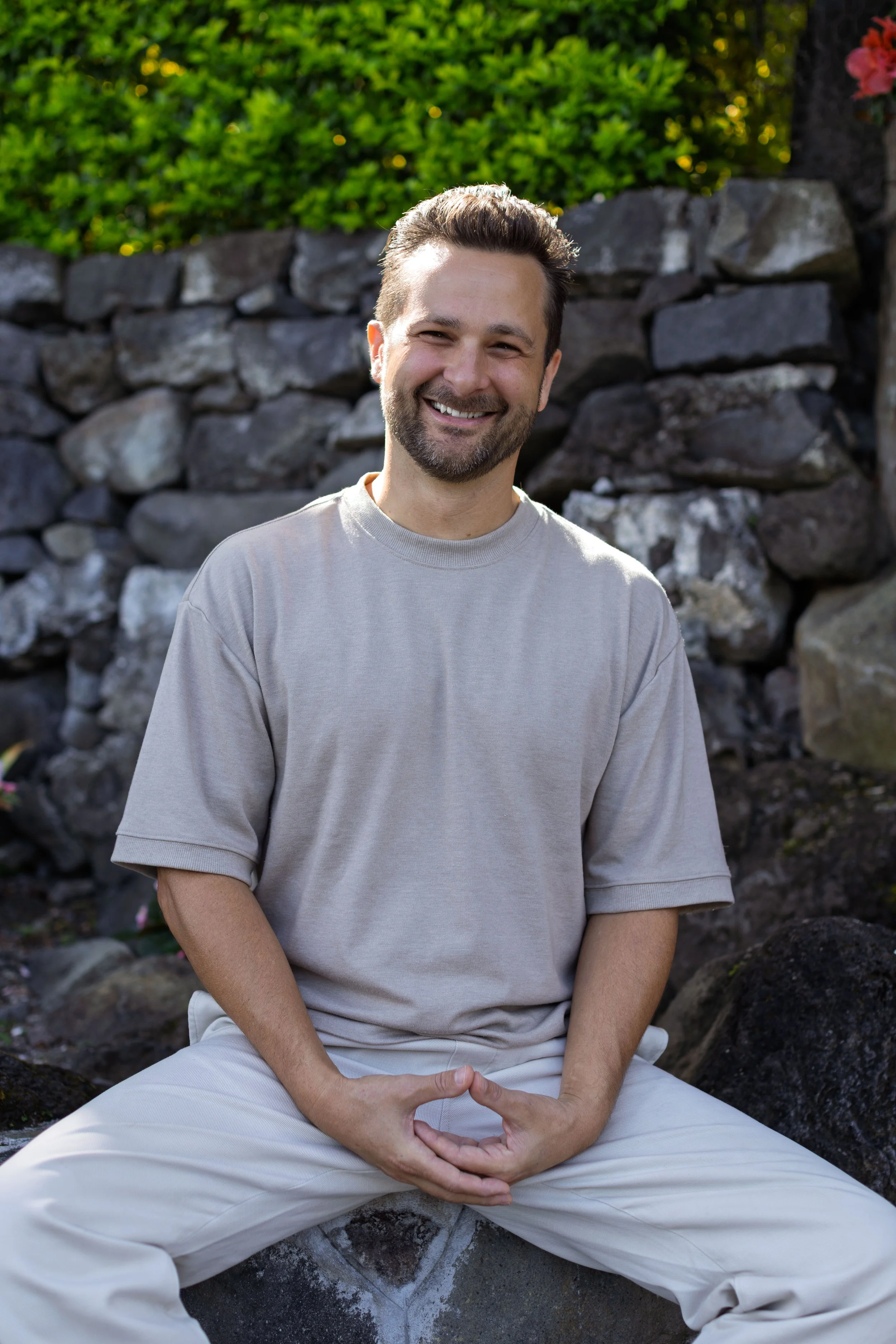
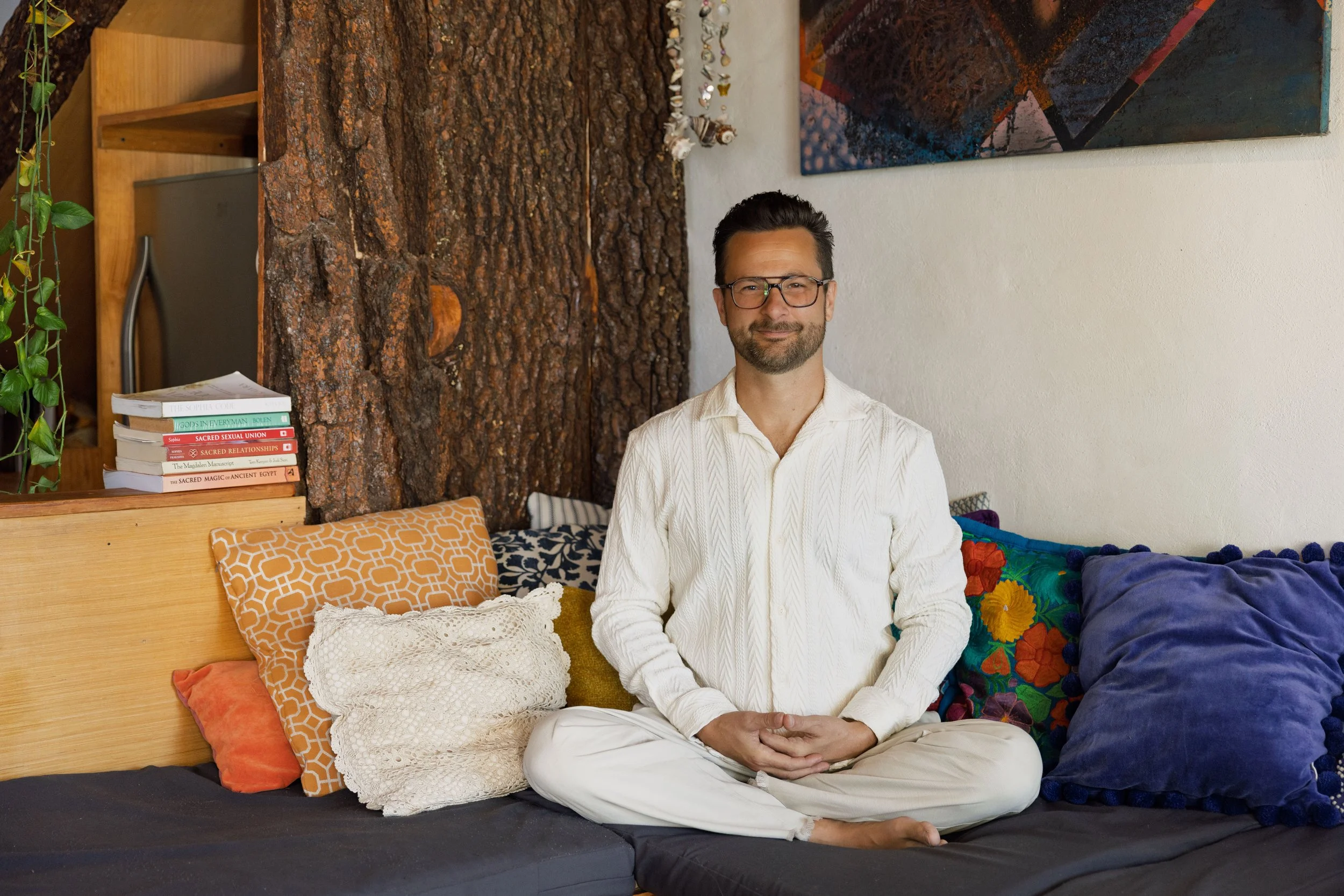
Cory Davis
Founder of Relationship Yoga, Holistic Nutritionist, & Spiritual Philosopher
Free Meditation Tracks on Insight Timer
Cory is a creator on Insight Timer, offering free sonotherapeutic soundscapes featuring brainwave entrainment and field recordings. These practices support nervous system repair, emotional clearing, and multidimensional awakening through sound, breath, and presence.